Common Causes of Damage in Brick, Stone, and Block Walls
Local contractors can repair and restore brick, stone, and block walls affected by common causes of damage like weather, settling, or structural issues.
Understanding the common causes of damage in brick, stone, and block walls is essential for property owners looking to maintain the integrity and appearance of their structures. Whether dealing with cracks, crumbling mortar, or shifting foundations, recognizing the typical issues can help prevent minor problems from becoming costly repairs. Property owners in the area often find it beneficial to explore this topic to better understand when professional assistance might be needed to address damage early and effectively.
Local contractors specializing in brick, stone, and block wall repair are equipped to handle the effects of these common issues. Factors such as water infiltration, freeze-thaw cycles, and soil movement frequently contribute to wall deterioration. By staying informed about these causes, property owners can make more informed decisions about maintaining their walls and ensuring they remain strong and secure. Keep reading to learn more about how local service providers can help address these challenges and keep walls in optimal condition.
- Brick wall repair - needed when mortar deterioration or water infiltration causes cracks and loose bricks, with local contractors using targeted repointing and sealing techniques.
- Stone wall repair - required when shifting ground or freeze-thaw cycles lead to shifting stones or structural instability, with service providers stabilizing and resetting stones as needed.
- Block wall repair - necessary when impact damage or poor construction results in cracked or bowed blocks, with local pros replacing damaged blocks and reinforcing the structure.
- Brick wall repair - sought when efflorescence or moisture issues cause surface damage, with contractors cleaning and applying protective coatings to prevent further deterioration.
- Stone wall repair - essential when biological growth or weathering causes surface erosion, with service providers cleaning and restoring the stone surfaces for longevity.
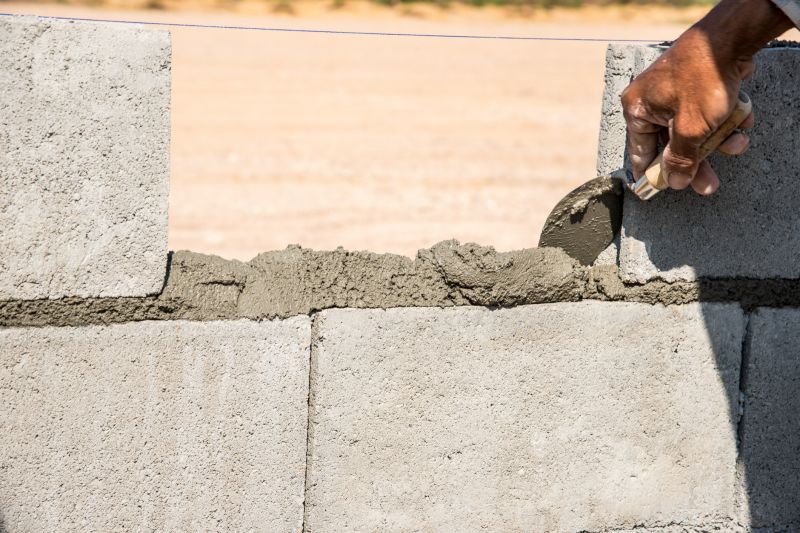
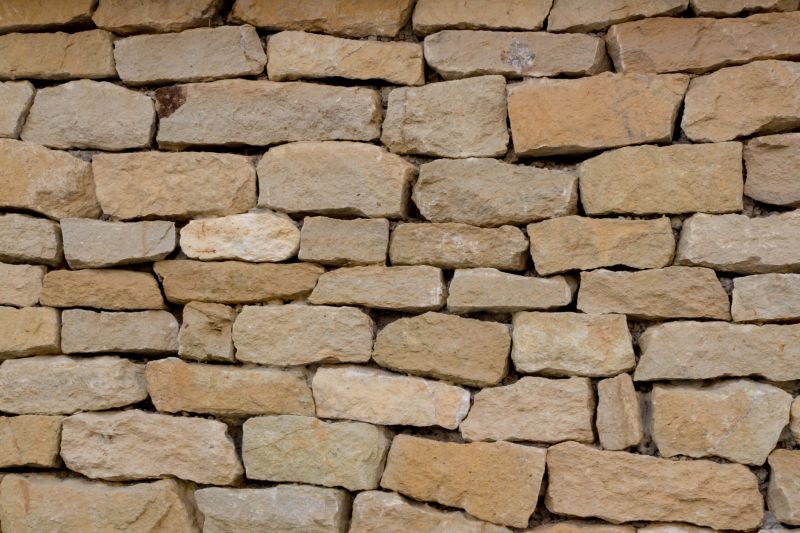
When searching for information about common causes of damage in brick, stone, and block walls, homeowners often want to understand why their existing walls may be deteriorating or showing signs of wear. This topic relates to a range of problems that can affect the structural integrity, appearance, and longevity of these types of walls. Many property owners are concerned with issues such as cracking, spalling, or leaning, which can indicate underlying damage. These concerns often lead them to seek insights into what might be causing the damage, whether it’s due to natural aging, environmental factors, or installation flaws. Understanding these causes helps homeowners determine whether repairs are necessary and what kind of repairs might be needed to restore or preserve their walls.
The problems associated with damage in brick, stone, and block walls typically involve structural concerns, water intrusion, or material deterioration. Cracks, bulges, or crumbling mortar joints are common signs that damage may be present. These issues can stem from various causes, such as shifting foundations, exposure to moisture, or improper construction techniques. When damage occurs, it can compromise the stability of the wall, leading to safety risks or further deterioration if not addressed promptly. Homeowners often explore plans for repair or reinforcement, seeking to prevent further damage and extend the lifespan of their walls. Local contractors who specialize in brick, stone, and block wall repair are equipped to diagnose these issues and recommend appropriate solutions.
The types of properties that frequently encounter damage in brick, stone, and block walls include residential homes, commercial buildings, and multi-family complexes. Older properties are particularly susceptible due to aging materials and outdated construction methods. Additionally, properties located in areas with high moisture levels or extreme weather conditions tend to experience more frequent or severe damage. For homeowners, understanding the typical property types affected helps clarify why certain issues arise and how local service providers can assist. Whether it’s a historic brick façade or a modern retaining wall, local pros can evaluate the specific damage and determine the best approach for repairs, ensuring the property remains safe and visually appealing.
Knowing the common causes of damage in brick, stone, and block walls connects directly to real projects homeowners may have in mind. Whether repairing a crumbling foundation wall, restoring an aesthetic feature, or reinforcing a retaining wall, addressing these causes is essential for effective restoration. Local contractors experienced in brick, stone, and block work are familiar with the typical issues that lead to damage and can provide tailored solutions. They can assess the extent of the damage, identify underlying causes such as settlement or moisture infiltration, and carry out repairs that restore strength and appearance. For homeowners planning to maintain or improve their properties, understanding these causes helps ensure that repairs are thorough and long-lasting.
Masonry Restoration Projects - these projects involve repairing and restoring historic brick, stone, and block structures, requiring skills in matching materials and understanding common damage causes.
Foundation Repair Services - foundation issues can lead to cracks and damage in walls, making foundation repair essential for addressing underlying causes of wall deterioration.
Waterproofing and Drainage Projects - proper waterproofing helps prevent water-related damage like efflorescence and freeze-thaw cycles that compromise masonry walls.
Retaining Wall Construction - building and repairing retaining walls involves understanding soil pressure and drainage, which are related to damage causes in masonry walls.
Chimney Repair Services - repairing chimneys requires masonry skills similar to wall repair, especially when addressing damage caused by moisture or thermal expansion.
Structural Crack Repair - fixing cracks in brick and stone walls involves techniques that address common damage causes such as shifting or settling foundations.
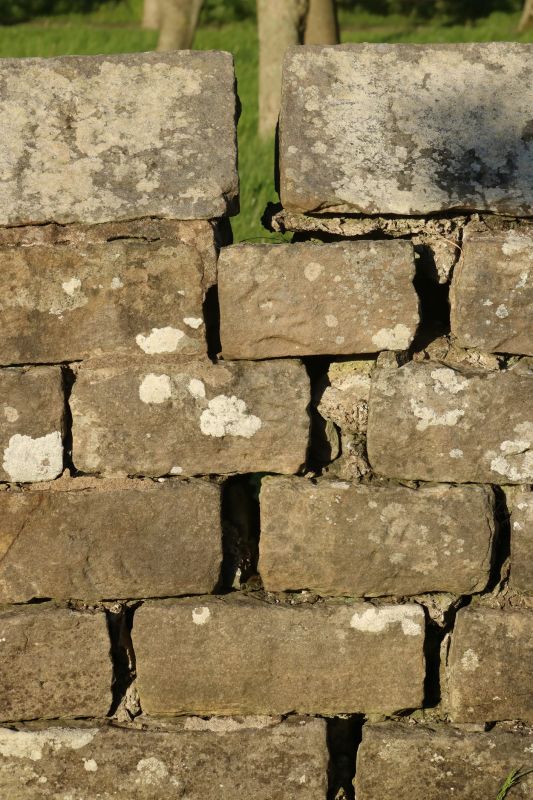
When evaluating contractors for brick, stone, or block wall repairs, it is important to consider their experience with similar projects. An experienced service provider will have a clear understanding of common causes of damage in these types of walls, such as settling, water infiltration, or freeze-thaw cycles, and will be familiar with effective repair techniques. Homeowners should look for local contractors who can demonstrate a history of successfully handling repairs similar to their specific needs, as this can be a strong indicator of their ability to diagnose issues accurately and provide durable solutions.
Clear, written expectations are essential when comparing service providers. A reputable contractor will be able to outline the scope of work, materials to be used, and the methods involved in addressing common causes of damage in brick, stone, and block walls. This transparency helps ensure that both parties understand what will be done and reduces the chances of misunderstandings or surprises later in the process. Homeowners are encouraged to seek detailed proposals or written estimates that specify the repair plan, so they can make informed comparisons between different local contractors.
Good communication and reputable references are key factors in selecting a reliable service provider. Local pros who prioritize clear, timely communication tend to be more responsive and easier to work with throughout the repair process. Additionally, requesting references or reviews from previous clients can provide insight into the contractor’s ability to deliver quality work, especially on repairs involving common causes of damage. Asking about past projects similar to the current needs can help gauge the contractor’s expertise and reliability, ensuring that the chosen professional is well-equipped to restore the integrity of brick, stone, or block walls effectively.
Property owners often search for common causes of damage in brick, stone, and block walls when they are planning practical projects around their homes and businesses. Local pros provide Brick, Stone, and Block Wall Repair services for everyday jobs and straightforward project options.
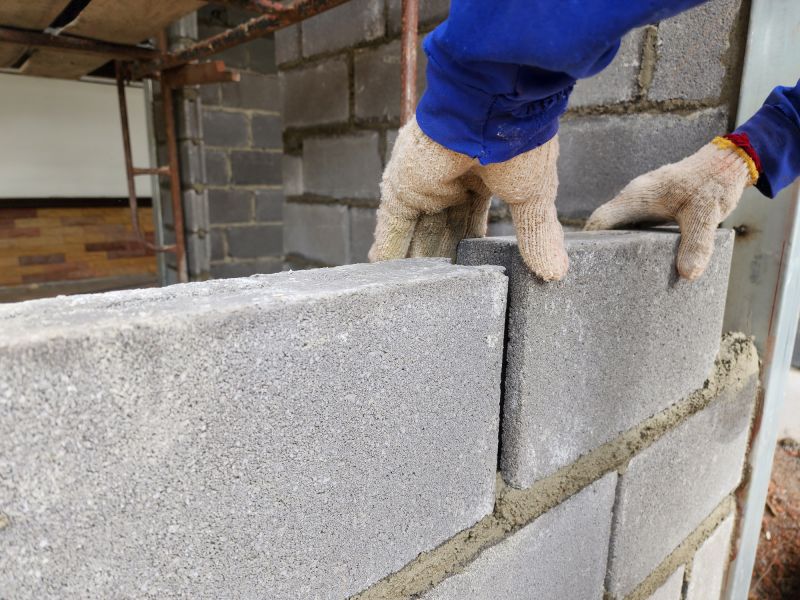
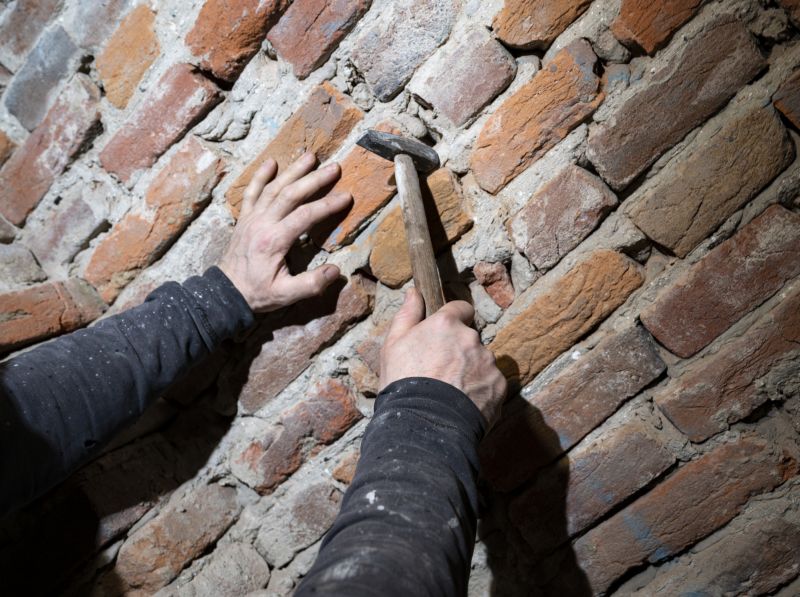
Many property owners in the area seek information about common causes of damage in brick, stone, and block walls because these structures often face everyday issues that can compromise their stability and appearance. Factors such as exposure to harsh weather conditions, including heavy rain, freeze-thaw cycles, or strong winds, can lead to cracking, spalling, or mortar deterioration over time. Additionally, improper installation or aging materials may cause walls to weaken or develop gaps, making them more vulnerable to damage. When signs of deterioration appear, property owners are encouraged to consider brick, stone, and block wall repair services offered by local contractors who specialize in restoring and maintaining these types of walls.
Other frequent causes of damage include ground movement or settling beneath the foundation, which can create shifts that crack or bow the wall surfaces. Water infiltration from poor drainage or damaged mortar joints can also lead to internal deterioration, mold, or efflorescence-white deposits on the surface. In some cases, accidental impacts or nearby construction work may cause physical damage that requires professional attention. Recognizing these common issues early and consulting with experienced service providers can help property owners preserve the integrity and appearance of their brick, stone, and block walls.
What are common causes of damage in brick, stone, and block walls? Common causes include water infiltration, freeze-thaw cycles, improper construction, and structural settling, which can lead to cracking, spalling, or shifting. Local contractors experienced in wall repair can identify these issues and recommend appropriate solutions.
How does water damage affect brick, stone, and block walls? Water can seep into the porous materials, causing deterioration, mold growth, and weakening of the wall structure. Service providers can assess water-related damage and perform repairs to prevent further deterioration.
Can structural settling cause damage to these walls? Yes, settling of the foundation or surrounding soil can lead to cracks, leaning, or bulging in brick, stone, and block walls. Local repair specialists can evaluate the extent of settling and restore wall stability.
What role does improper construction play in damaging these walls? Poor construction practices, such as inadequate mortar or improper jointing, can result in early deterioration, cracking, or loose stones. Experienced contractors can repair and reinforce walls to improve durability.
How can environmental factors contribute to damage in brick, stone, and block walls? Environmental factors like temperature fluctuations and moisture exposure cause expansion, contraction, and freeze-thaw damage. Local pros can perform repairs to address and prevent further environmental-related issues.
Water infiltration issues - Property owners can identify and address leaks or poor drainage that cause water damage, working with local contractors to repair cracks and improve waterproofing.
Freeze-thaw cycle damage - Owners living in colder climates can seek professional help to reinforce walls and prevent cracking caused by repeated freezing and thawing.
Structural movement and settling - Recognizing signs of shifting foundations allows property owners to connect with experts who can stabilize and repair walls affected by ground movement.
Poor construction or mortar deterioration - Regular inspections help identify deteriorating mortar or subpar building practices, enabling timely repairs by experienced service providers.
If you are thinking about common causes of damage in brick, stone, and block walls for a property, this guide is meant to help you understand this topic, the typical project types, and how different options might fit your plans.
When you are ready, you can use the quote form on this page to share a few details about your project. From there, local pros can review the basics and follow up with options that match what you have in mind.